

Migration
Exploring movement, relocation, and belonging.

Migration Overview
“Migrant” is a warm word for some and a cold one for others. A banker who moves here for work is a migrant. So is someone who fled war, violence, or persecution, forced to leave everything behind. We roll out the welcome mat for one, and a screening system for the other.
The friends we walk with are on the harder side of that line. While they wait years for their case to be heard, the law won’t let them work, or even volunteer. Young people ready for university get stuck, because the funding to get them there isn’t there.
Most people never realise these neighbours are here legally, waiting inside the government’s screening system for an answer with no date on it. This voice is about seeing them as people, not a headline or a case number, so the city gets a little kinder, and a little safer.
“Did You Know?” Quiz
Stories about Migration
A common tension: Rohan's Summer
“Where are you flying this summer?” my classmates keep asking. They’re buzzing about icy coconut smoothies in Thailand or flaky croissants by the Eiffel Tower. I just smile and nod.
The truth is, I can’t leave Hong Kong. Even though I was born here, fluent in Cantonese and Mandarin and attending a local school, my parents are asylum seekers who fled religious persecution. Under local law, I am stateless.
Only my closest friends know. I hide it from the rest because I’m terrified they’ll brand us as “illegal immigrants” or, even worse, start pitying me. So I make up excuses, saying we’re just saving money, or that Mum is too unwell to fly. Anything to stop the questions.
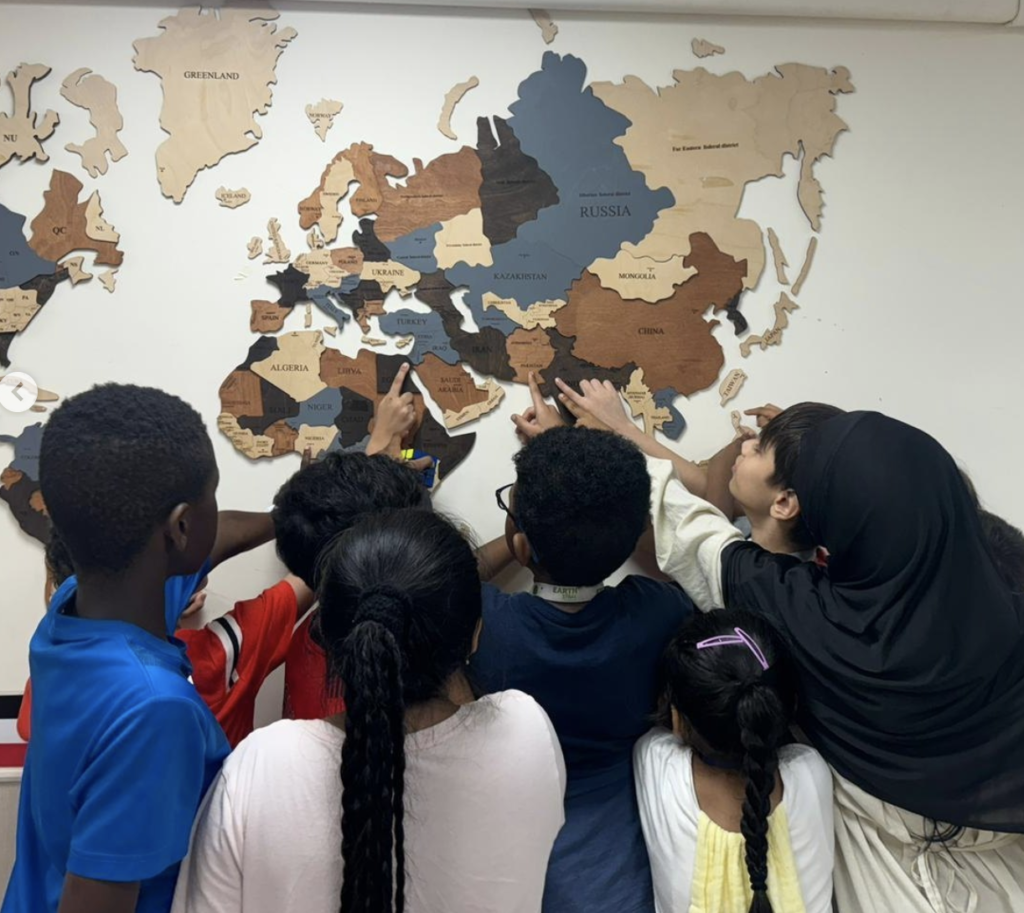
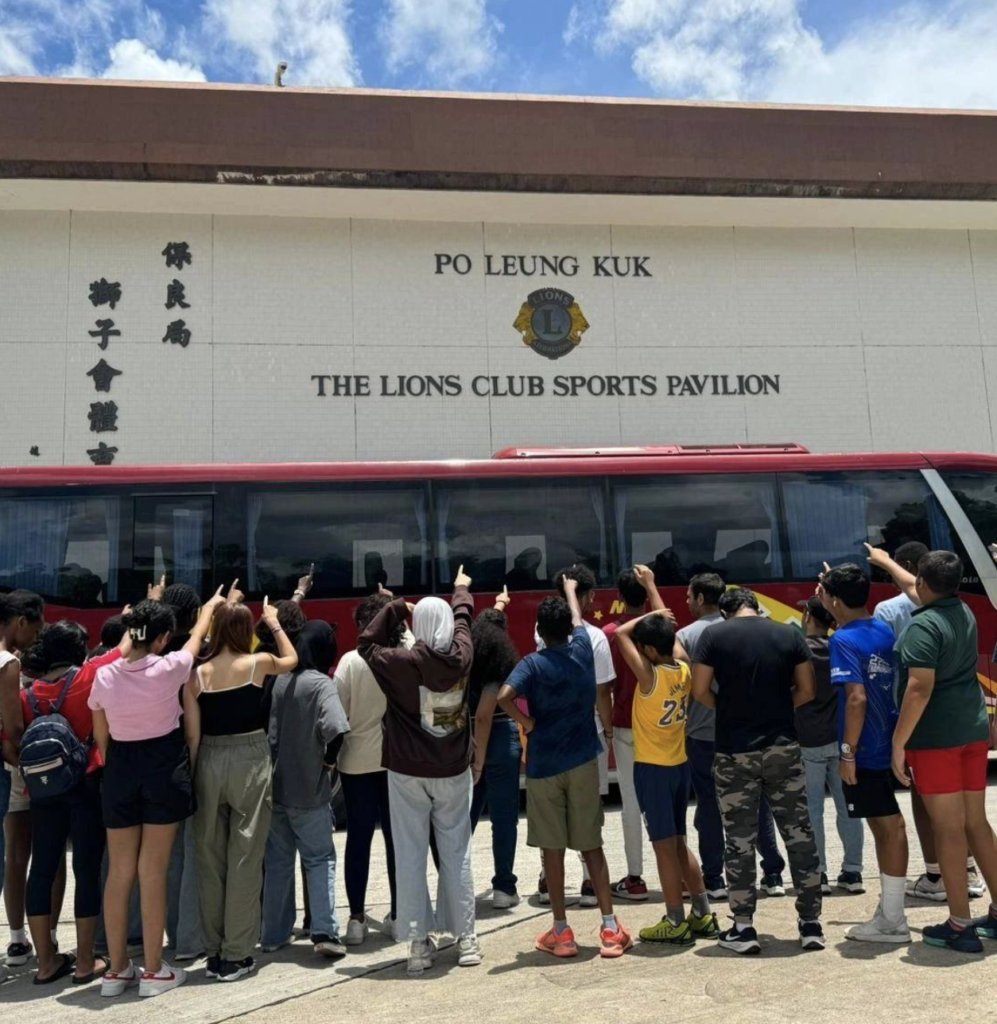
Instead, I spend my holidays at the Centre for Refugees (CFR) Summer Camp. It’s my “home away from home.” We do coding, boxing, and even visit the Peak. When we get back to school, my classmates boast about bathing with elephants. They ask what I did, and I proudly say I went to camp with friends who “look like me.” They just shrug, assuming it means darker skin, completely unaware of my hidden reality.
What's going on here?
The casual, well-meaning question, “Where are you flying?”, pushes Rohan into a painful corner. It plants a recurring anxiety: he has to invent elaborate excuses to protect his family’s safety and to dodge both social isolation and crippling pity. In Hong Kong, children born to non-refoulement claimants don’t get citizenship or permanent residency. They grow up completely local, speaking native Cantonese and studying the local curriculum, yet they live under an absolute travel ban, trapped in a legal limbo their classmates can’t even picture. People assume asylum seekers are recent, illegal arrivals with no roots here. In reality, a large part of this community is young people born and raised right here: local Hong Kongers in every way but the one the law recognises.
A mundane hidden challenge: Chanelle's Grocery Run
“Spaghetti and chicken wings!” my son cheered as we walked into ParkNShop. A simple request. I counted our capped ISS food allowance in my head ($1,200 a month, about $300 a week) and picked up pasta, sauce, zucchini, and the marinated wings that were on sale. We needed one good meal; tomorrow was the long bus ride out to Tuen Mun just to sign in at Immigration. Why does it have to be so far?
At the till I handed over my electronic food card without meeting the cashier’s eye. Then, sharp and loud: “No, cannot!” She pushed the card back, shaking her head. The queue behind me stared. I grabbed my son and walked out fast, swallowing the tears.
Had our week’s money run out? No, I still had $180. Then he tugged my arm: “Mama, can we go back for the Kinder Egg?” He’d slipped a Christmas chocolate onto the counter. The card blocks “holiday items.” How do you explain that to a child?
“I’m going to CFR on Friday,” I whispered. “They might have chocolate.” I never went back to that shop.


What's going on here?
The cashier’s loud, public refusal turns a normal grocery run into a humiliation. Because the card blocks “unapproved” seasonal items, a child asking for a chocolate egg is enough to flag his mother as a rule-breaker in front of strangers. Asylum seekers in Hong Kong depend entirely on this restricted, non-cash food subsidy. It leaves no room for choice, for a parent’s judgement, or for a small moment of joy. Non-food basics aren’t covered either, so nappies, toiletries and sanitary pads have to be collected from monthly NGO distributions. People assume these cards work like cash. They don’t: the surveillance built into them micromanages daily life, treating a mother comforting her child as if she’d broken a rule.
An ally's lens: Arthur is hiring!
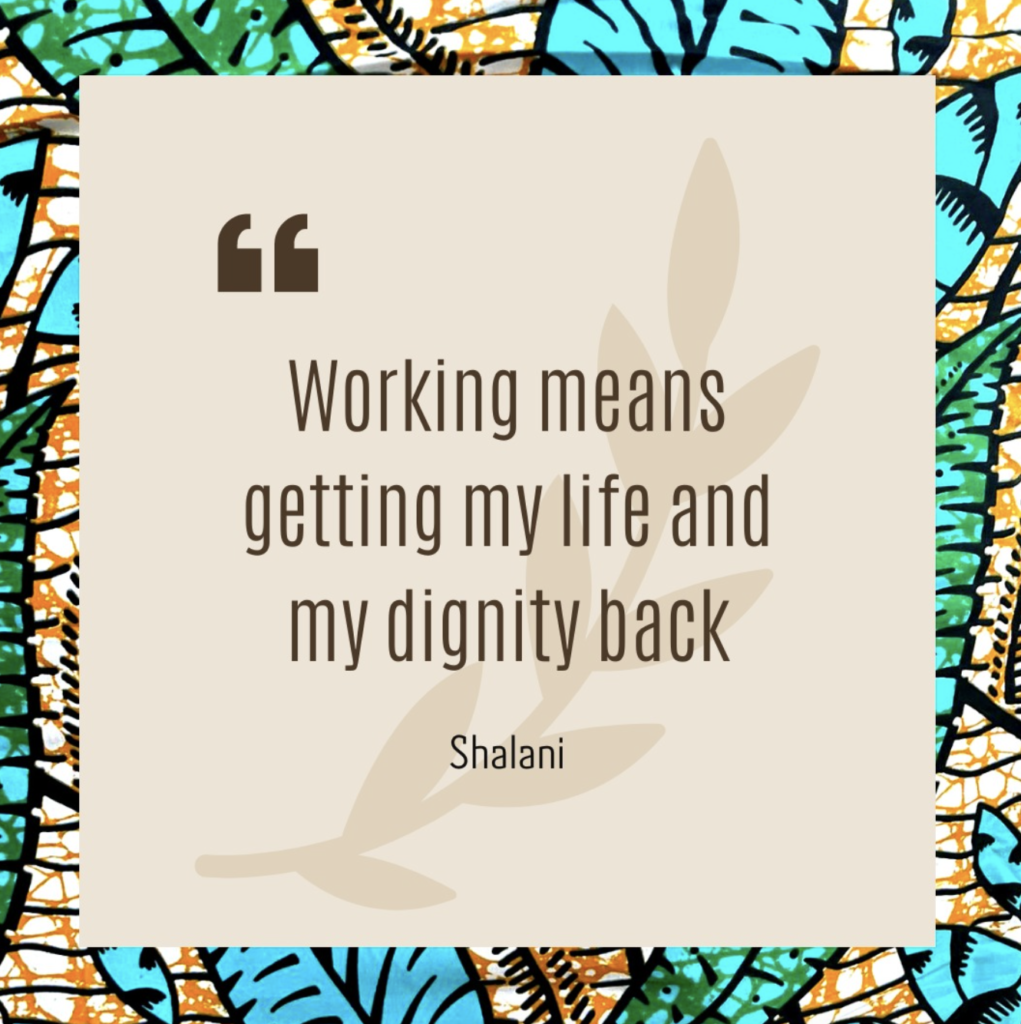
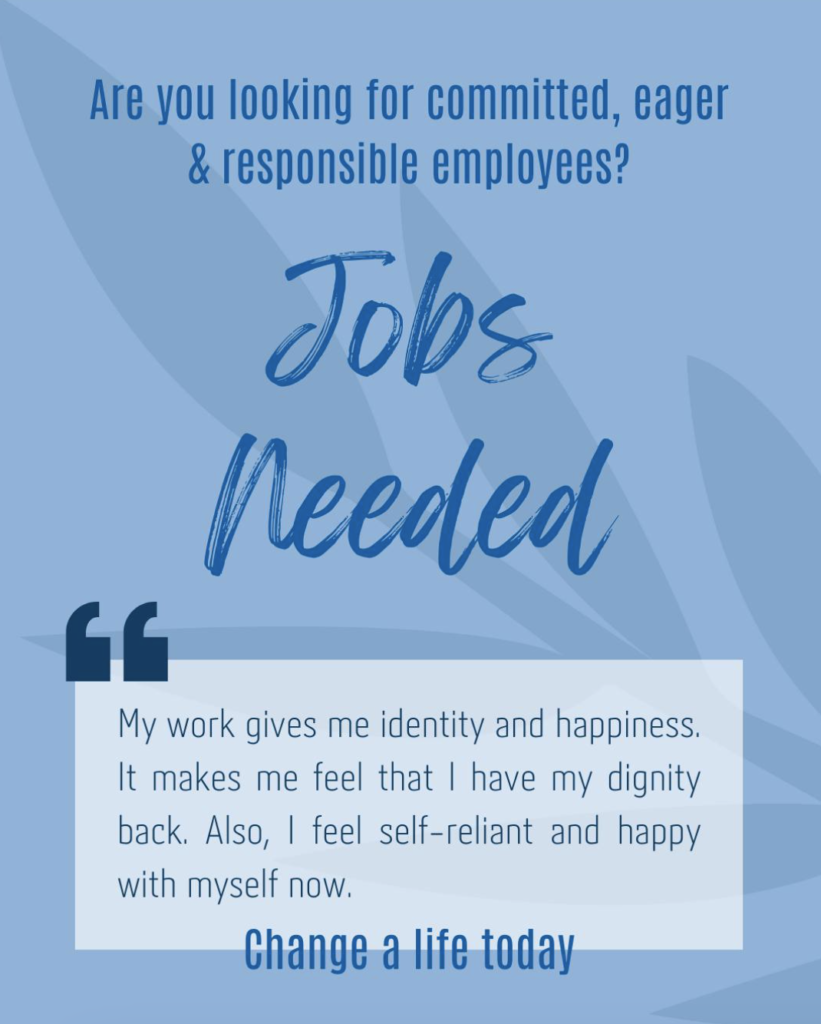
Six months ago I left a comfortable corporate HR job to run the employment programme at a refugee centre. My work is easy to describe and hard to do: convince Hong Kong companies to hire recognised refugees, and walk each candidate through the paperwork to get there. I was excited, finally using my business network for something that mattered.
And the need is real. Recognised refugees are legally allowed to work here, but the rules are brutal: contracts capped at six months, physical and psychosocial health clearances for every hire, and legal forms that usually need a pro bono lawyer.
Still, I pitched a real proposal to a big multinational. It was going well, until their global compliance head called and killed it over vague worries about reputation and risk. I had forty candidates ready to work. Even one or two roles would have meant a dignified new start for someone who has waited years for status. They didn’t even ask about a mentoring scheme or a shadowing workshop instead.
I know it was the system, not me. I still went home feeling I had let all forty of them down.
What's going on here?
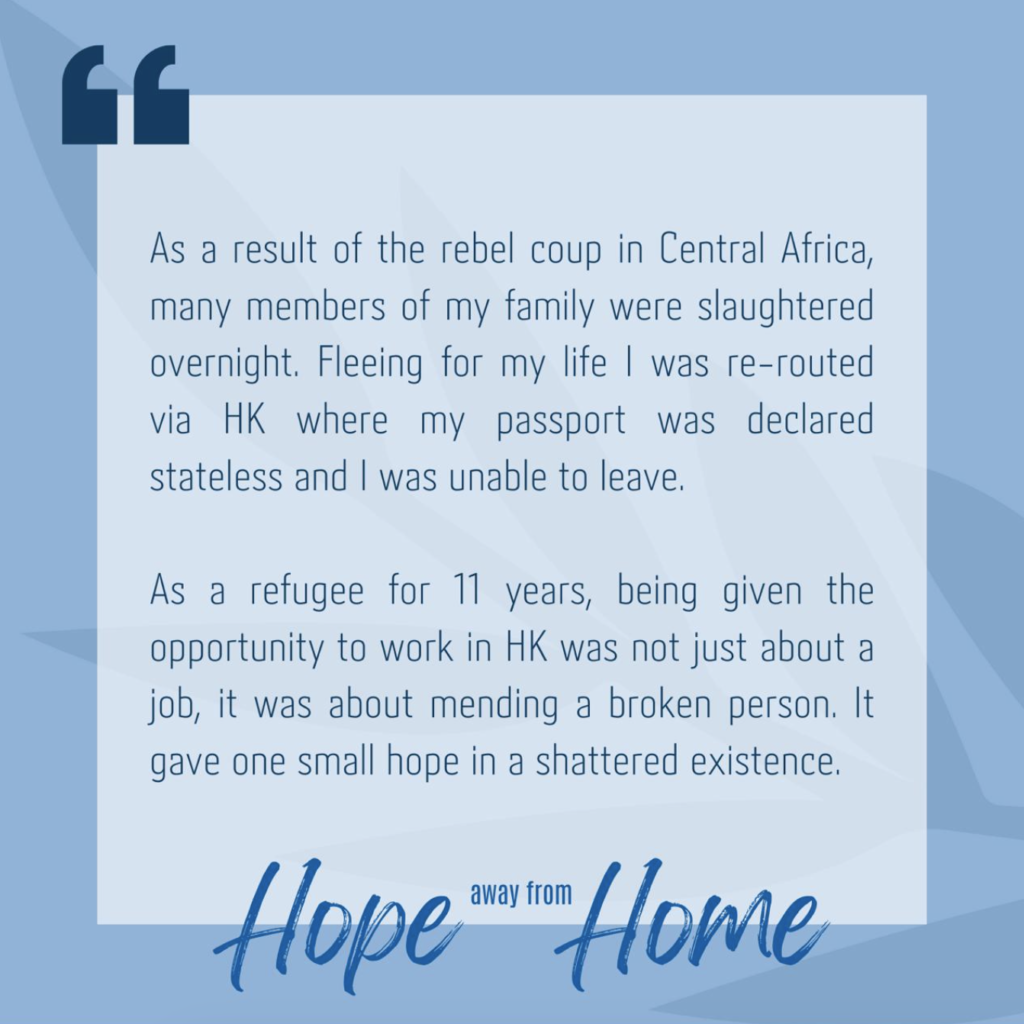
Here is the part most people miss: recognised refugees in Hong Kong do have the legal right to work. The barrier is not the law, it is everything around it. When a company treats a refugee hire as a compliance risk, not a person with skills, it slams a door that was actually open. When employers let fear of paperwork make the decision, the systemic barrier hardens, and skilled people stay stuck on aid. People assume refugees are uneducated, fit only for kitchens or cleaning. Many are professionals: an IT engineer back home can end up washing dishes here. And where a salaried role feels too regulated, corporate training is a legal, lower-risk way to back forced migrants that allies overlook.
Key Terms
Non-Refoulement Claimant: The formal Hong Kong term for someone seeking protection, used instead of “refugee” or “asylum seeker.” An asylum seeker is still waiting for a decision, while a recognised refugee has had their claim accepted. In Hong Kong almost everyone is still in the waiting stage, screened through the government’s Unified Screening Mechanism (USM).
Recognisance Paper (Form No. 8): The temporary ID the Immigration Department issues to claimants. It proves they are in Hong Kong legally while their case is assessed, but it also bans them from taking any paid work, a daily reminder of restricted rights.
ISS-HK subsidy: The capped, in-kind assistance claimants live on, run by a government-commissioned NGO: roughly HK$1,200 a month for food (on an electronic card), HK$1,500 rent paid straight to landlords, plus small utility or transport allowances.
Forced Migration: The movement of people compelled to leave home by conflict, systemic violence, disaster, or legal and political persecution: the opposite of choosing to relocate.
New Arrivals: A warm, dignified term for individuals and families who have recently reached Hong Kong seeking safety, focusing on their fresh start rather than a cold legal label.
Latest resources in this Voice
How-to-Say Guide: Migration
The words are the hard part. Here are three you can borrow.
Legal Help (opens in a new tab)
Legal information and services for asylum seekers and refugees in Hong Kong, from Asylum Services & Knowledge (ASK).
Want to know who's doing the good work in this space?
Explore organisations and service providers working in migration & mobility, vetted and part of our Directory.